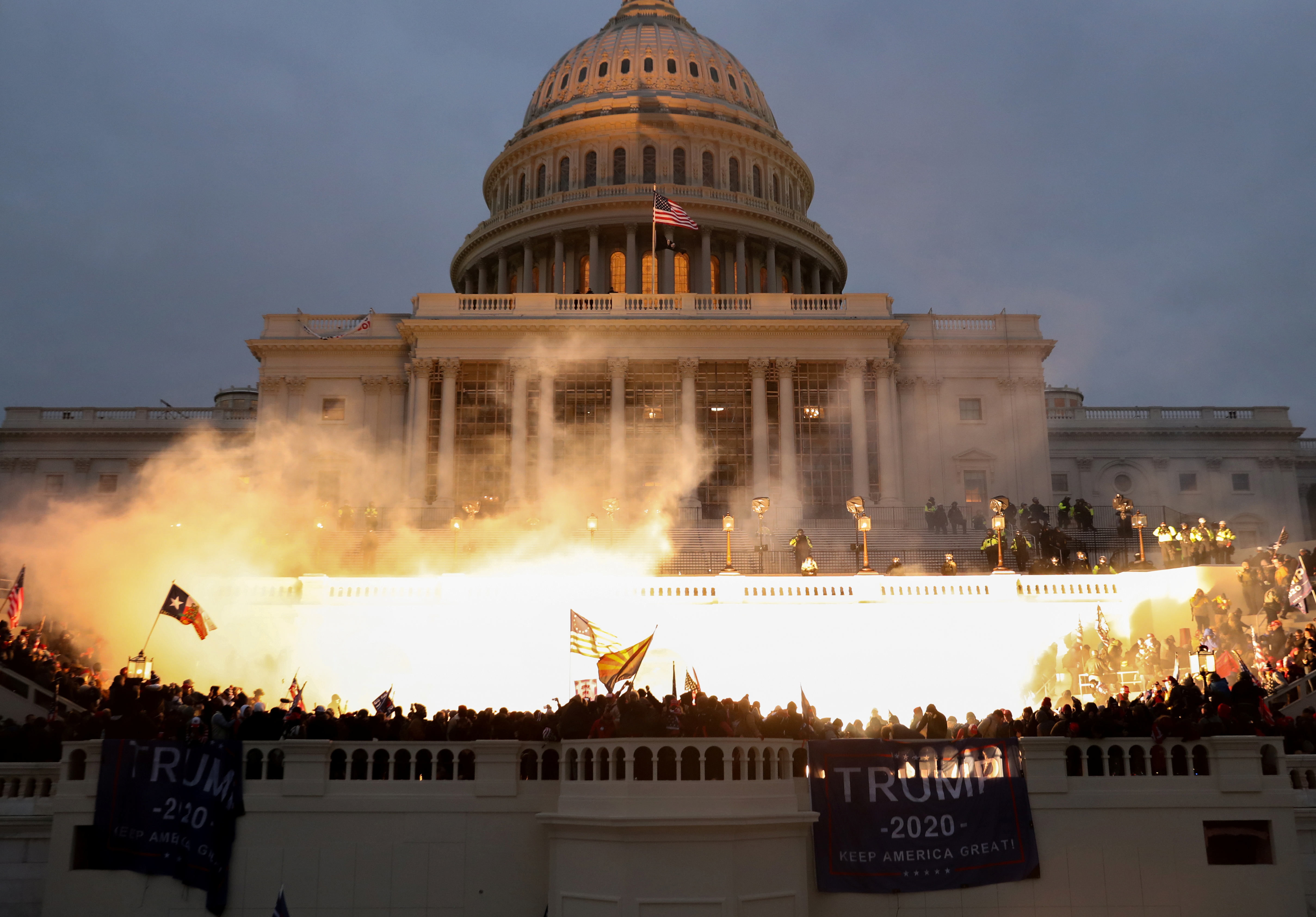
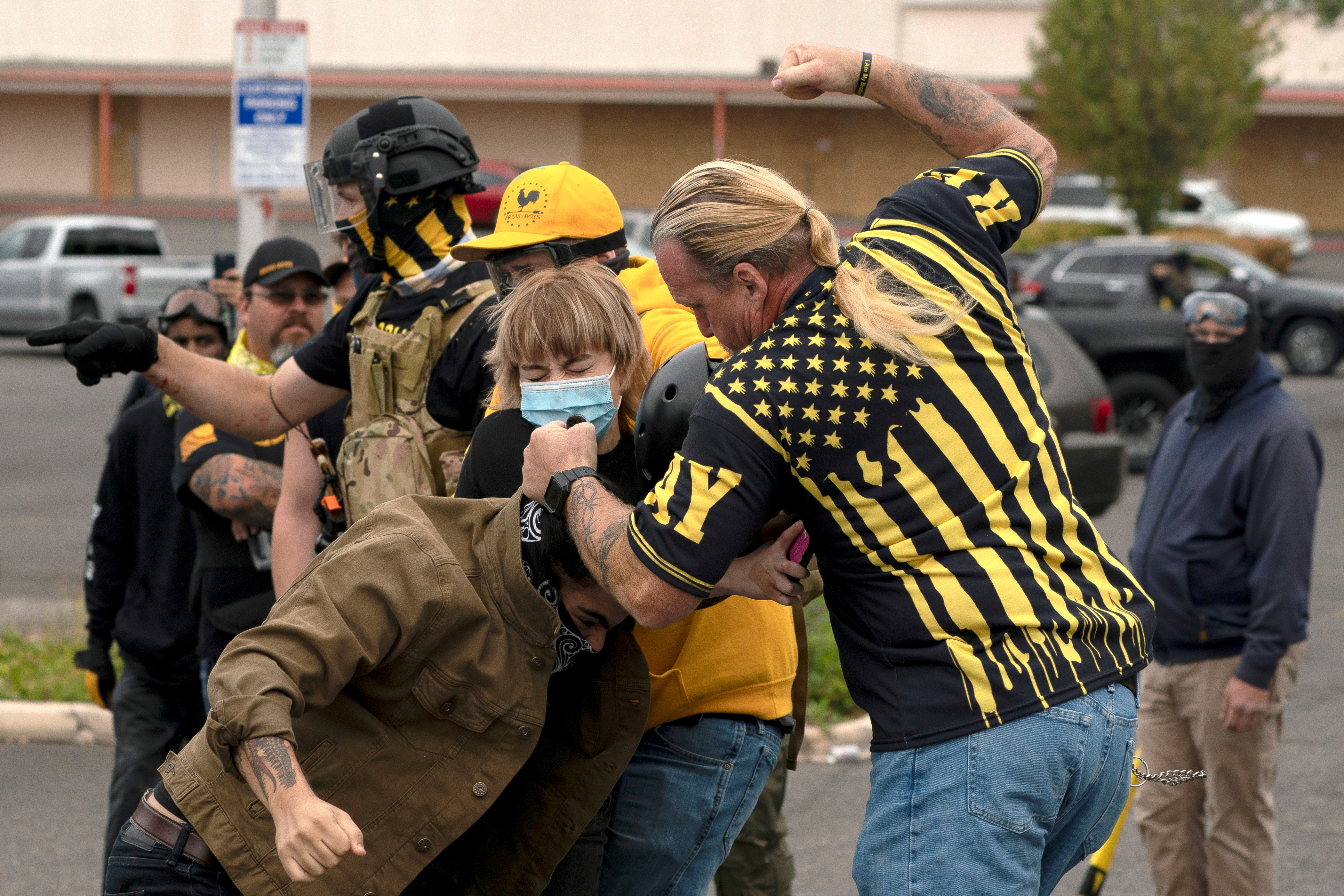
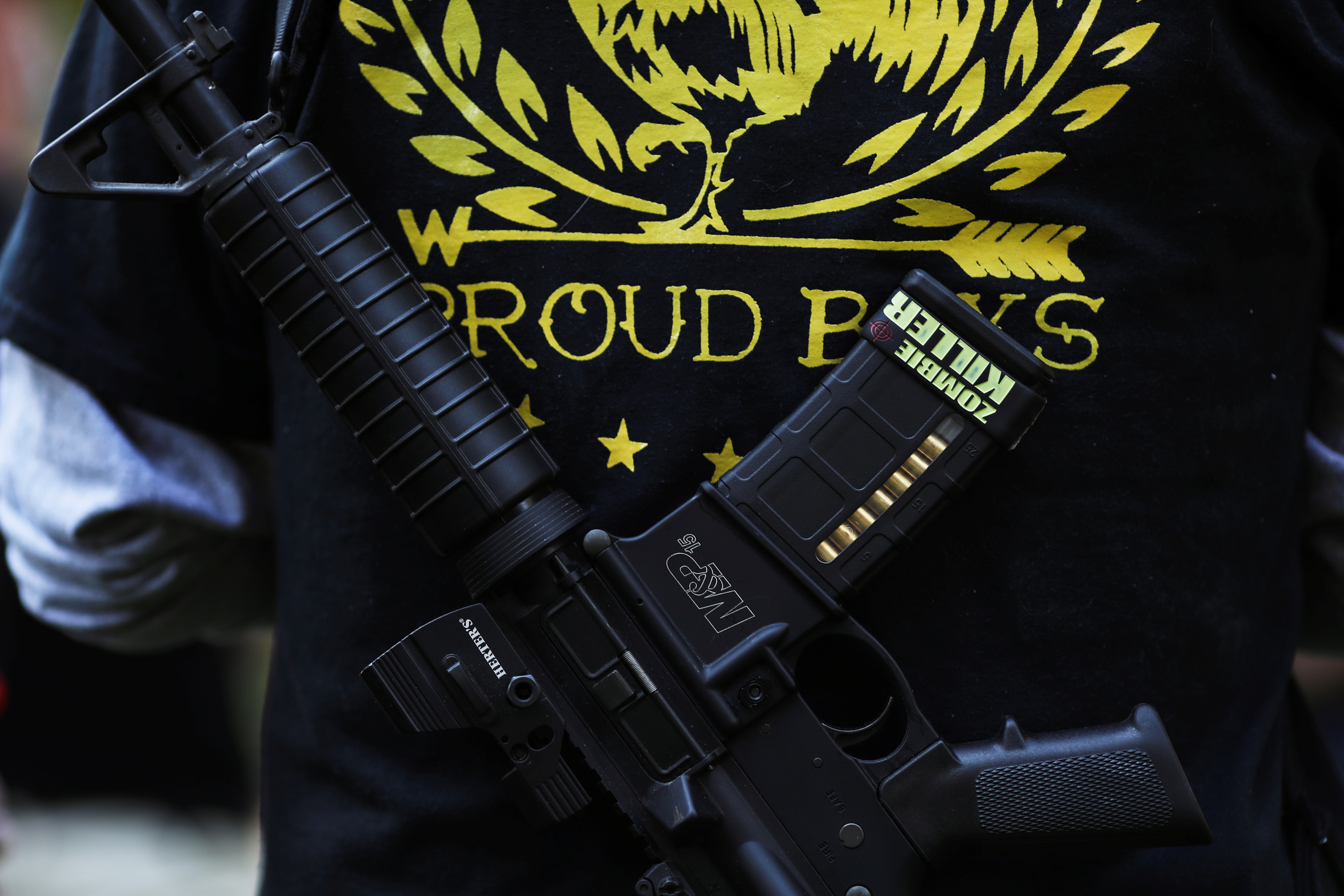
The Proud Boys are back. Four years after the failed effort to overturn Trump’s 2020 electoral defeat, the violent all-male extremist group that led the storming of Congress on Jan. 6, 2021, is rebuilding and regaining strength.
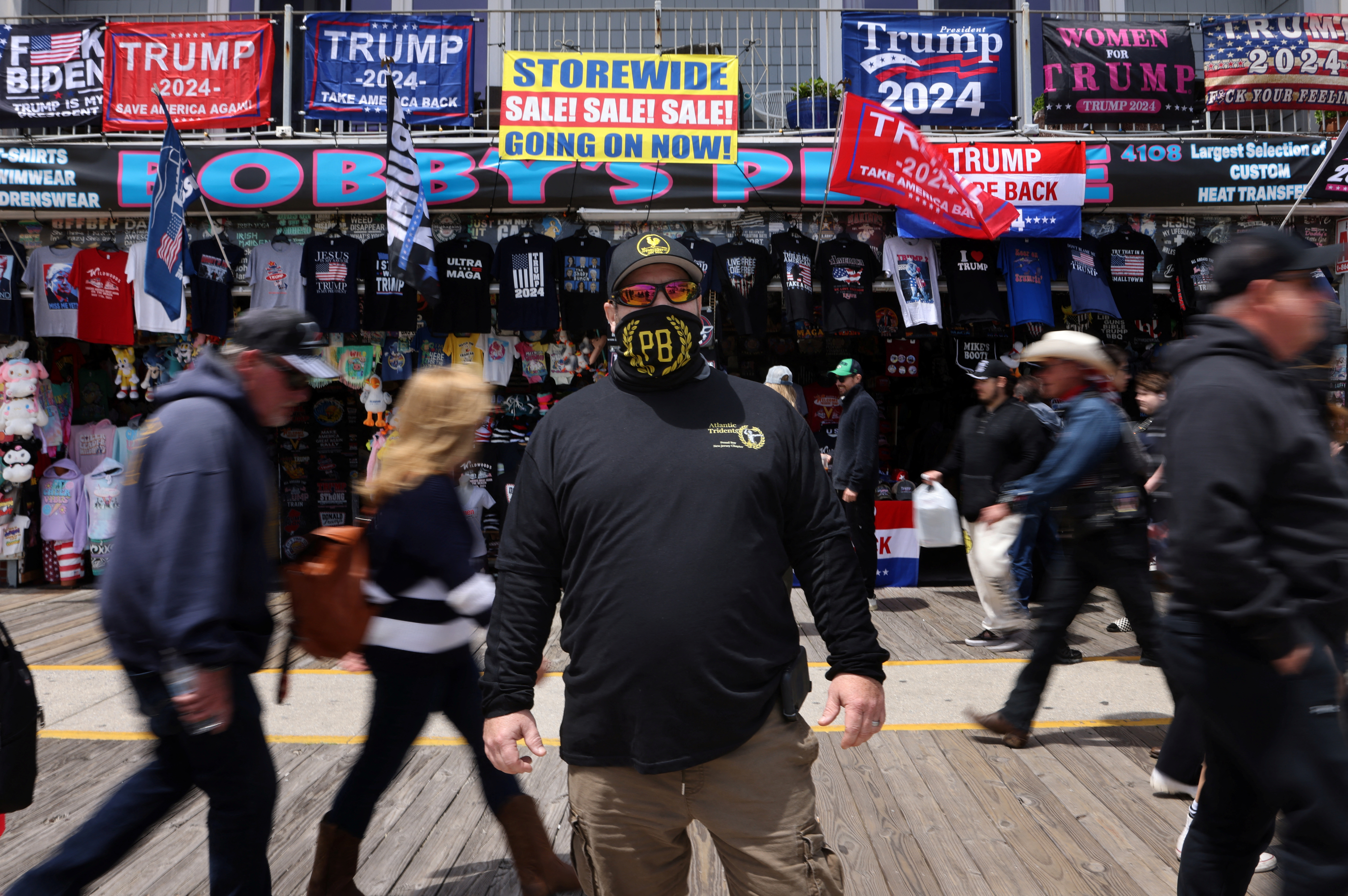
[1/4]A member of the far-right Proud Boys stands for a portrait before a campaign rally for former U.S. president and Republican presidential candidate Donald Trump in Wildwood, New Jersey, May 11, 2024. REUTERS/Jim Urquhart- Legal
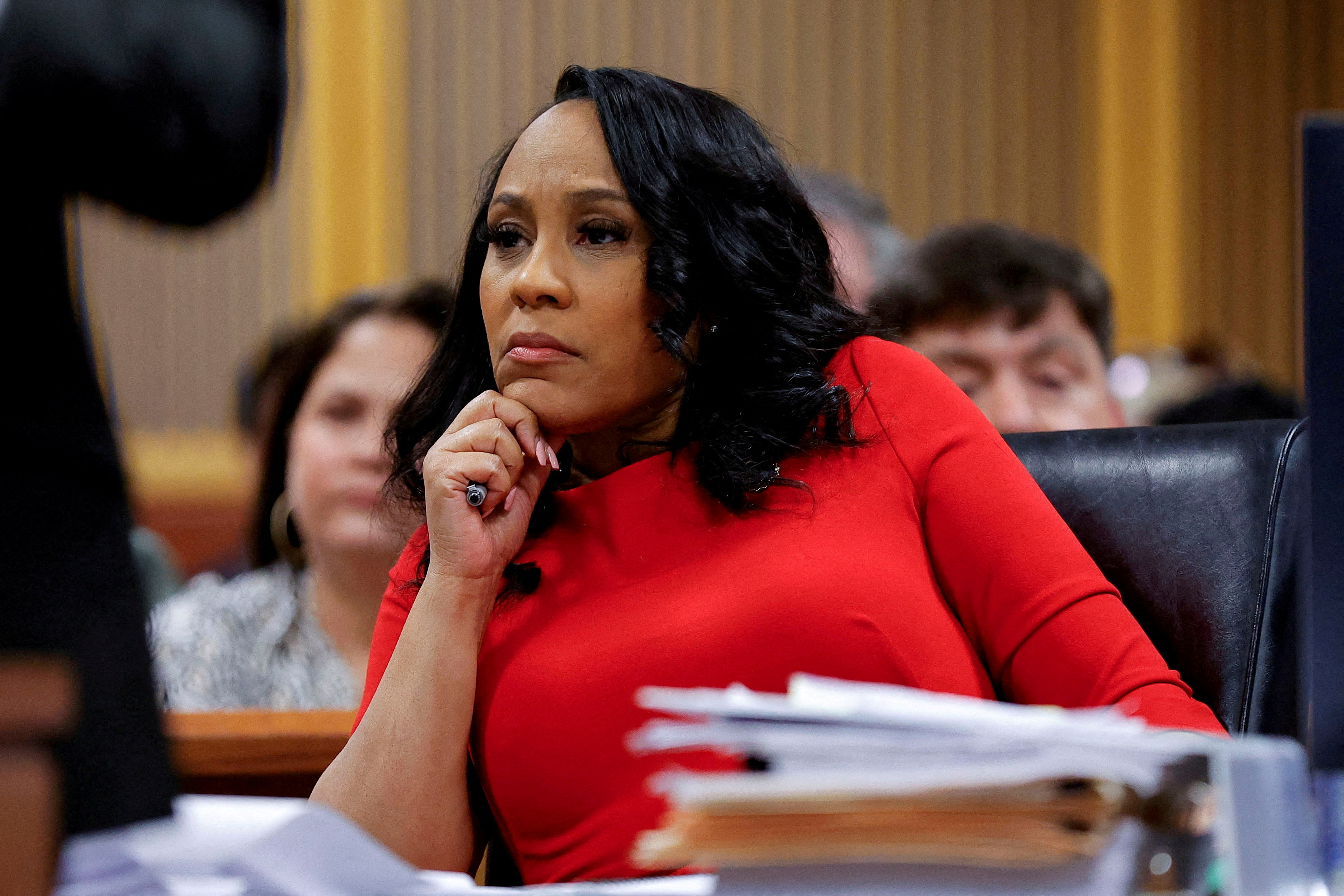
A Georgia appeals court will hear arguments in October on whether to disqualify Fulton County District Attorney Fani Willis from prosecuting Donald Trump for trying to overturn his 2020 defeat, a schedule that will likely postpone that trial until after the Nov. 5 election.
- World
President Joe Biden on Monday for the first time called former President Donald Trump a "convicted felon" who poses a higher threat to the United States if he wins another term - the most biting attack on his opponent's legal troubles to date.

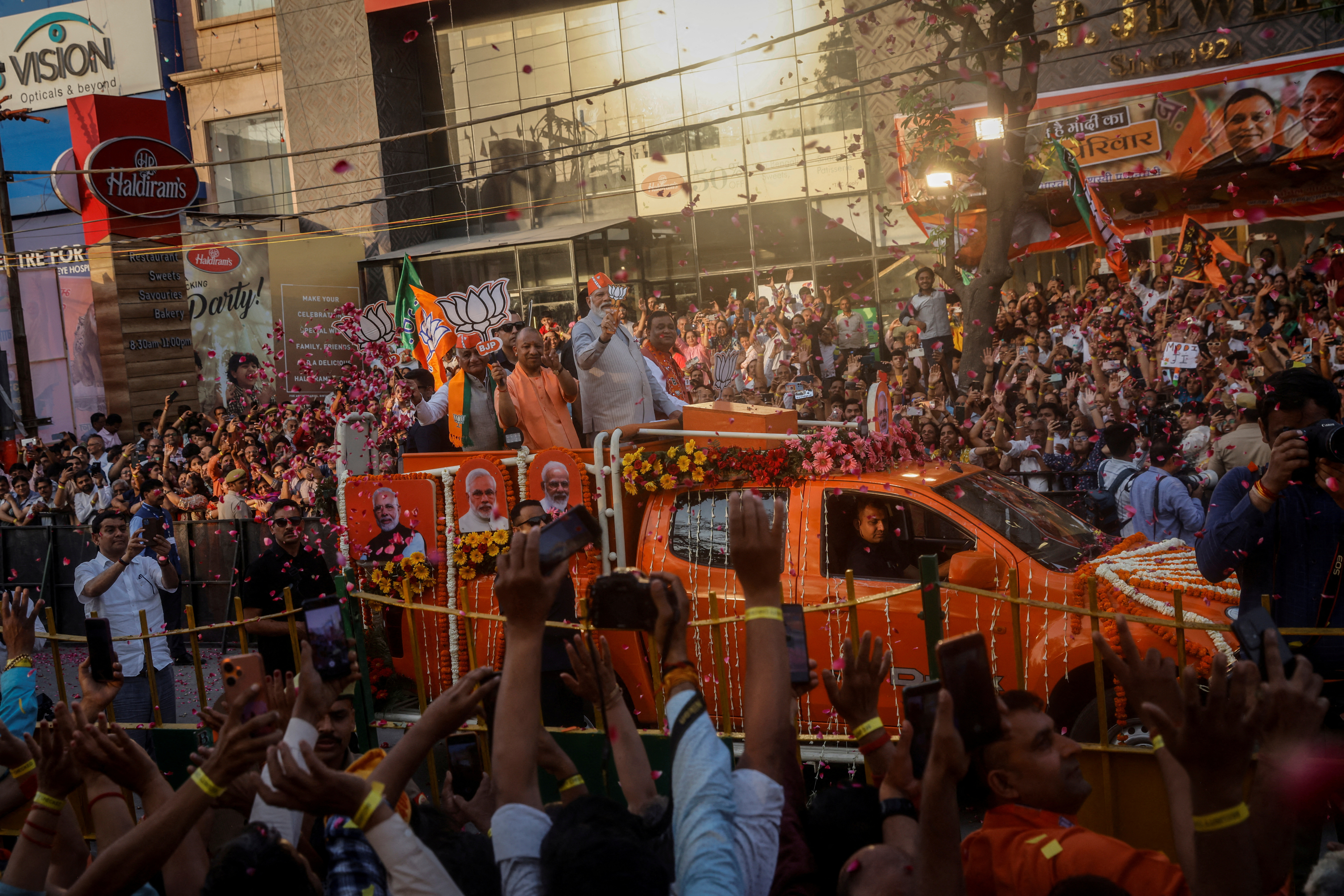
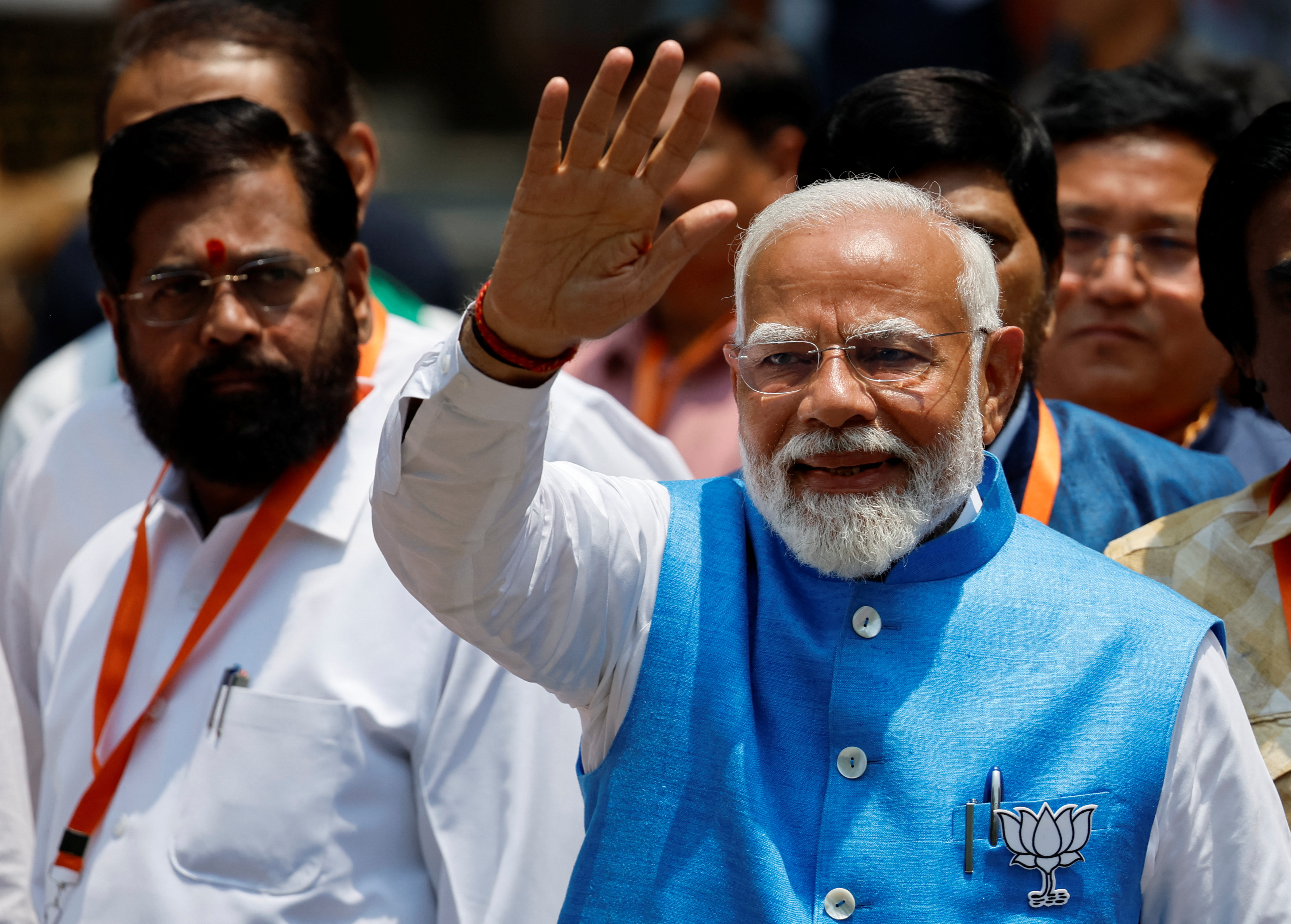
India's Prime Minister Narendra Modi is expected to win a record-equalling third consecutive term in office on Tuesday when the 642 million votes cast in the world's largest election are counted.
India's Prime Minister Narendra Modi greets supporters during a roadshow, ahead of the general elections, in Ghaziabad, India, April 6, 2024. REUTERS/Anushree Fadnavis/File Photo - World
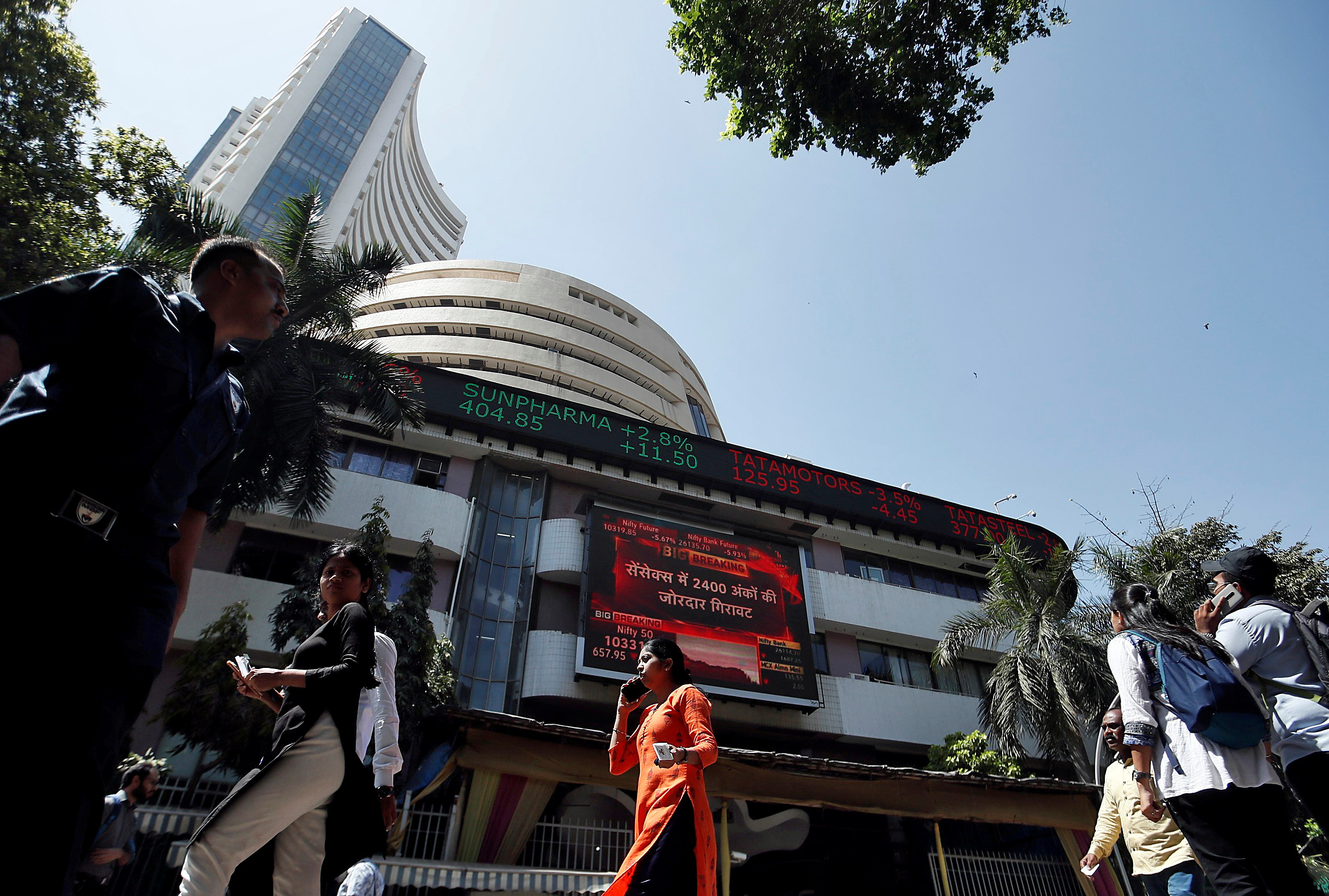
India stock futures edged higher and the rupee was steady as votes in the world's largest election were set to be counted on Tuesday, with Prime Minister Narendra Modi widely expected to score a decisive mandate and a rare third term.
- Breakingviews
Many Western leaders see India as a bulwark against China. Their fear of the People’s Republic outweighs their concerns about Narendra Modi’s authoritarian tendencies. Now that India’s prime minister is on the cusp of winning a third term in office, exit polls suggest, the United States and Europe may double down on the idea that their enemy’s enemy will be a steadfast friend. But the overlap of i
Tiananmen Square Anniversary
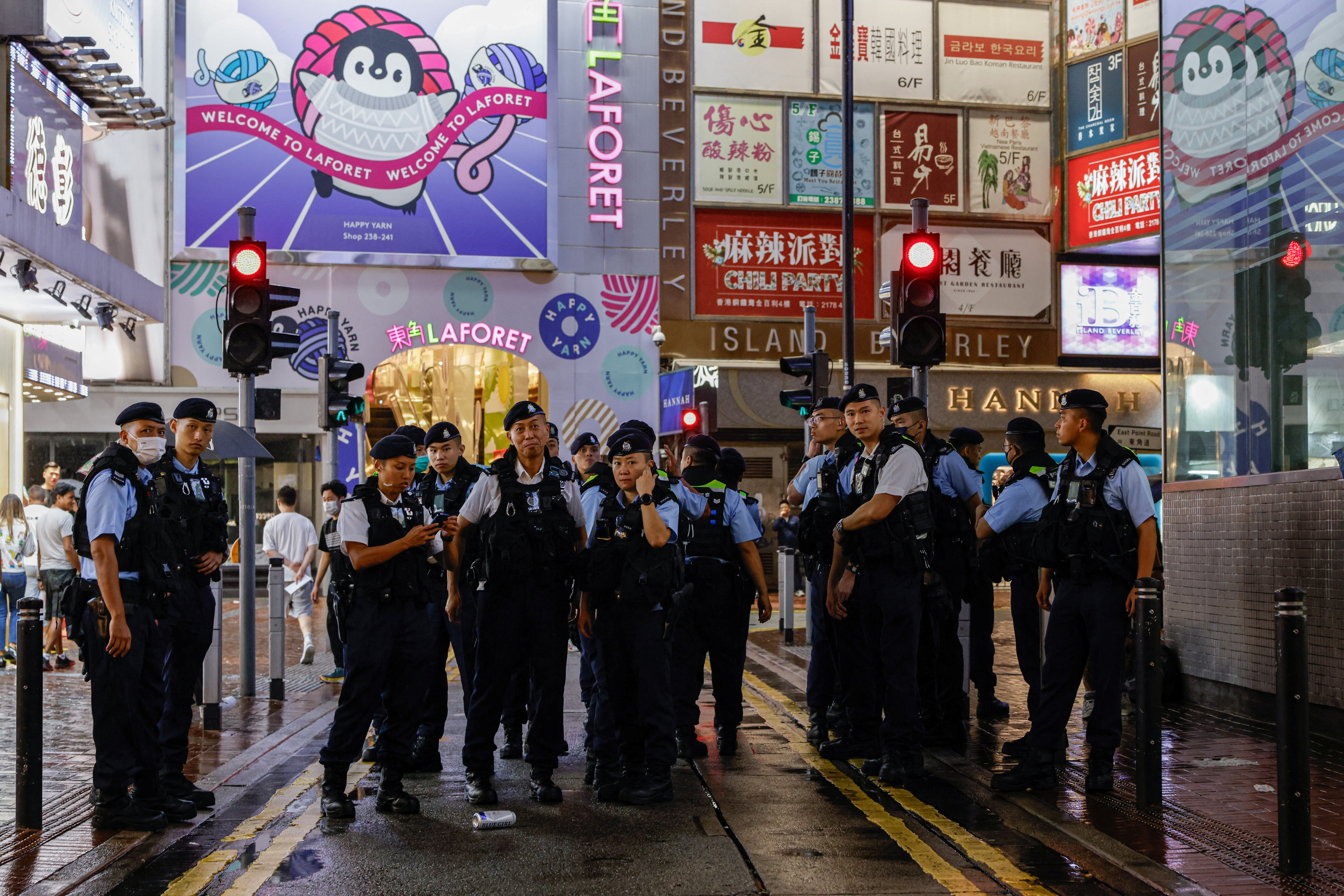
China authorities said they would close Beijing's Tiananmen Square on Tuesday, the 35th anniversary of the June 4 crackdown, while Hong Kong police also tightened security as activists in Taiwan and elsewhere prepared to mark the date with vigils.
Police stand guard at Causeway Bay, ahead of the 35th anniversary of the crackdown on pro-democracy demonstrators at Beijing's Tiananmen Square in 1989, near where the candlelight vigil is usually held, in Hong Kong, China, June 3, 2024. REUTERS/Tyrone Siu/File Photo - World
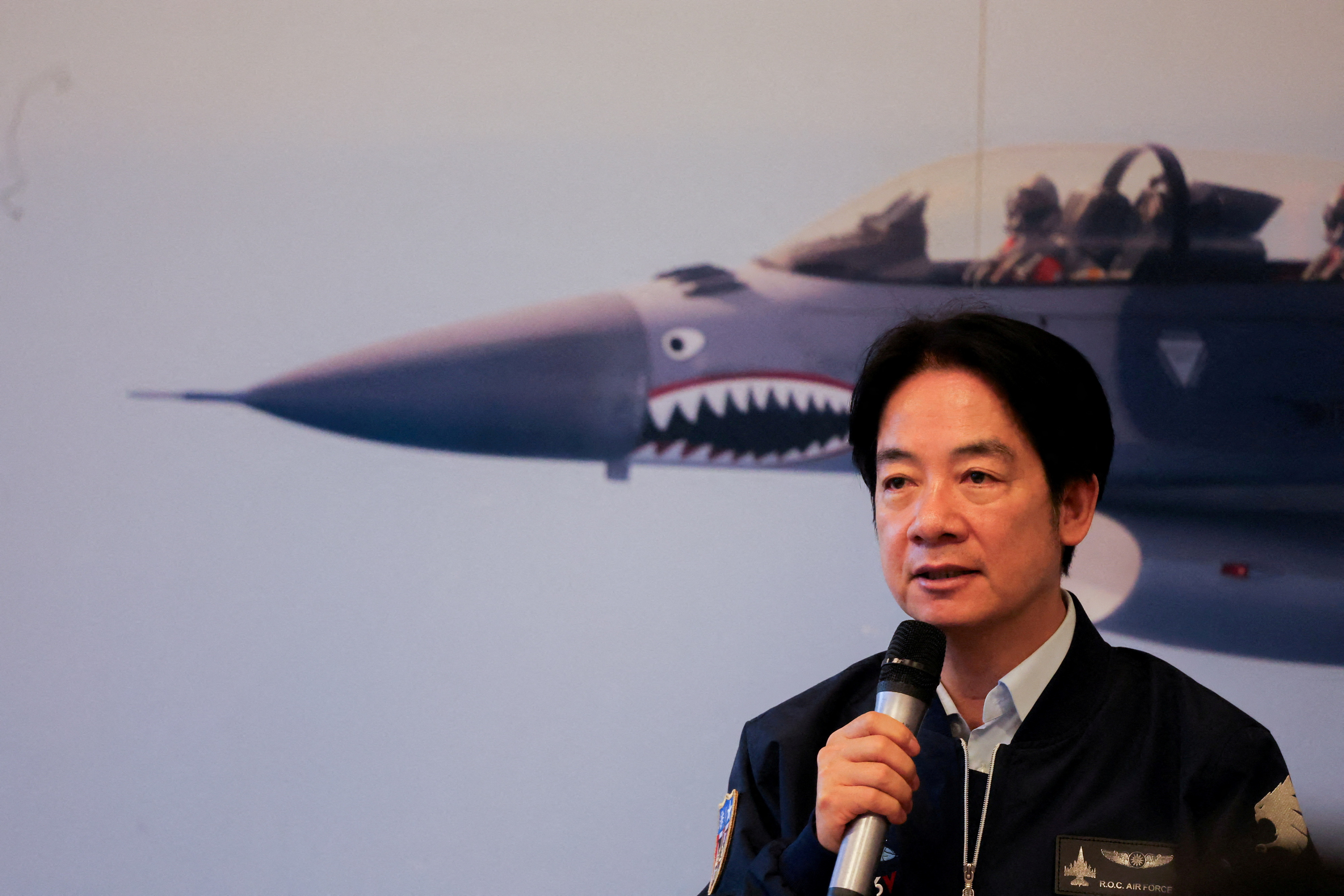
Taiwan President Lai Ching-te on Tuesday said he will work hard to make historical memory last forever and reach out to everyone who cares about Chinese democracy, on the 35th anniversary of the 1989 Tiananmen Square crackdown in Beijing.
- World
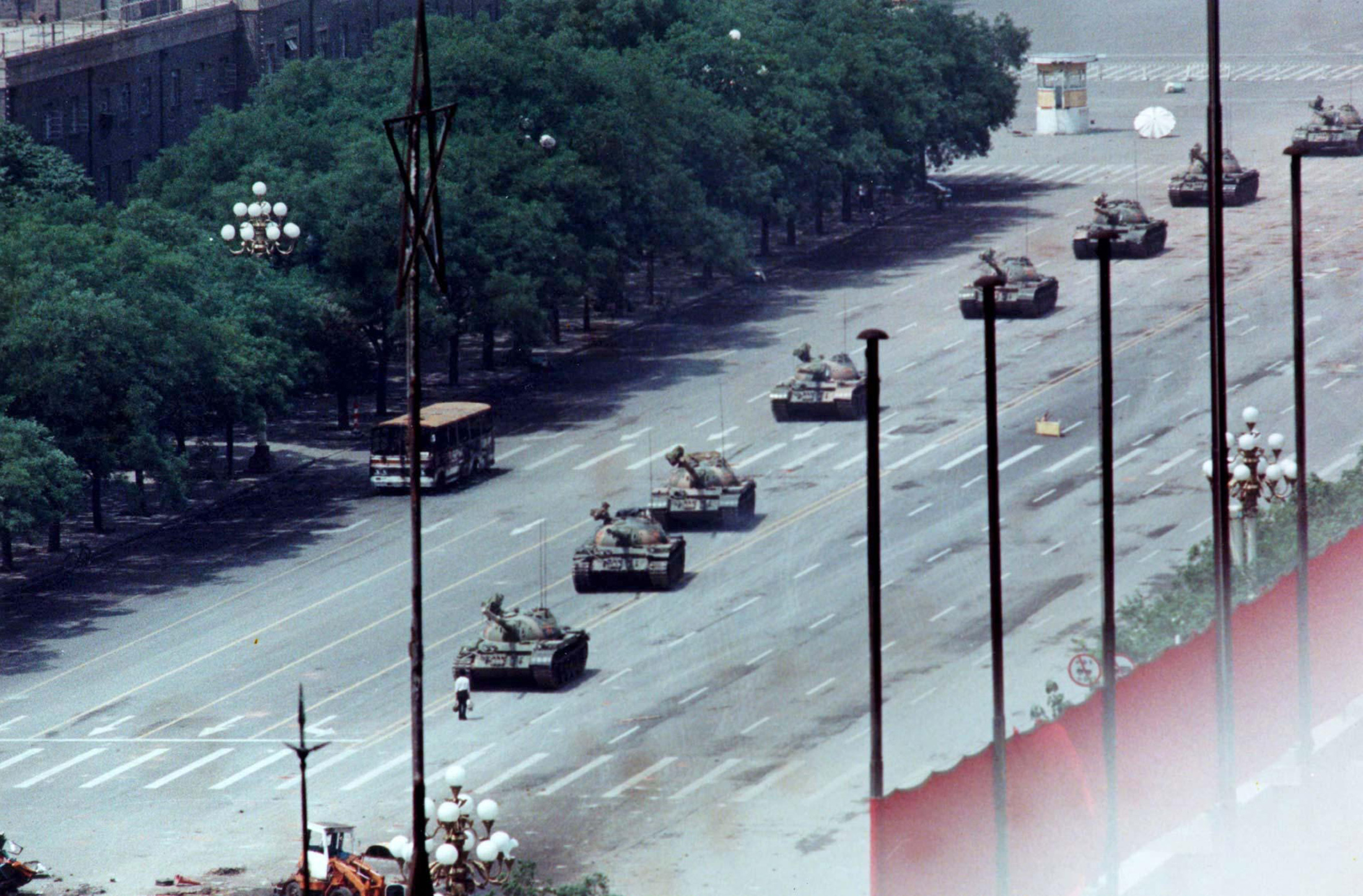
Tuesday marks the 35th anniversary of China's bloody crackdown on pro-democracy demonstrations in and around central Beijing's Tiananmen Square, when Chinese troops opened fire on their own people.
Markets

Talking Points
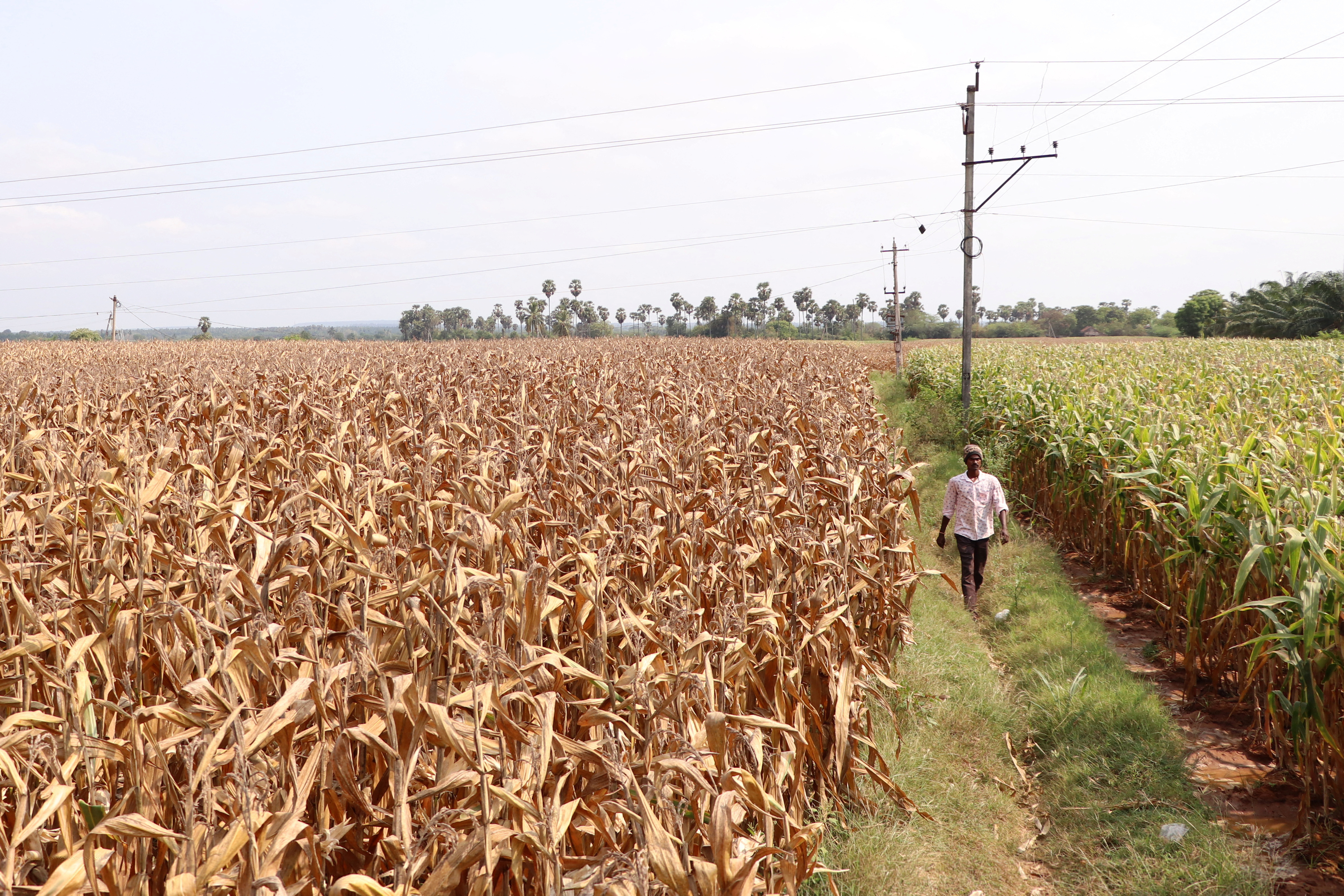
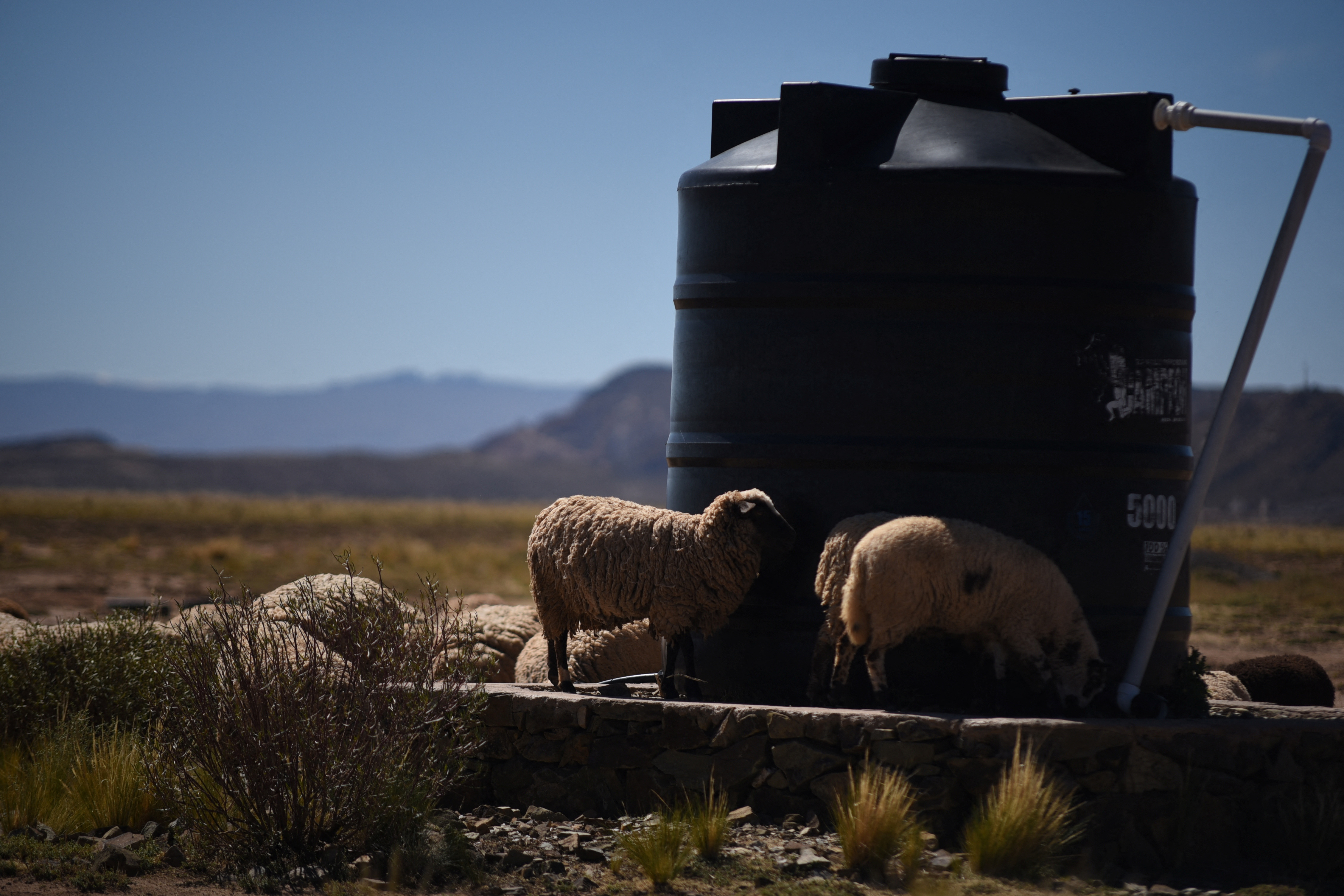
As the local climate has heated up over decades, rivers and lakes have also shrunk.
Defending champion Novak Djokovic produced a superhuman effort to subdue Argentine Francisco Cerundolo 6-1 5-7 3-6 7-5 6-3 on Monday and reach the quarter-finals of the French Open, as the top seed shrugged off a knee issue for a milestone win.
Tennis - French Open - Roland Garros, Paris, France - June 3, 2024 Serbia's Novak Djokovic reacts after falling during his fourth round match against Argentina's Francisco Cerundolo REUTERS/Yves Herman - Sports
Allen made 11 Pro Bowls and six All-Pro first teams over 14 seasons as an offensive lineman for the Cowboys (1994-2005) and San Francisco 49ers (2006-07). He was a member of the Hall of Fame's All-Decade teams for the 1990s and the 2000s and was inducted into Canton in 2013.
- Sports
France forward Kylian Mbappe has joined Real Madrid as a free agent on a five-year contract, the LaLiga club said on Monday, ending a transfer saga that rumbled on for years before the European champions captured their newest "Galactico".


Mexico Election
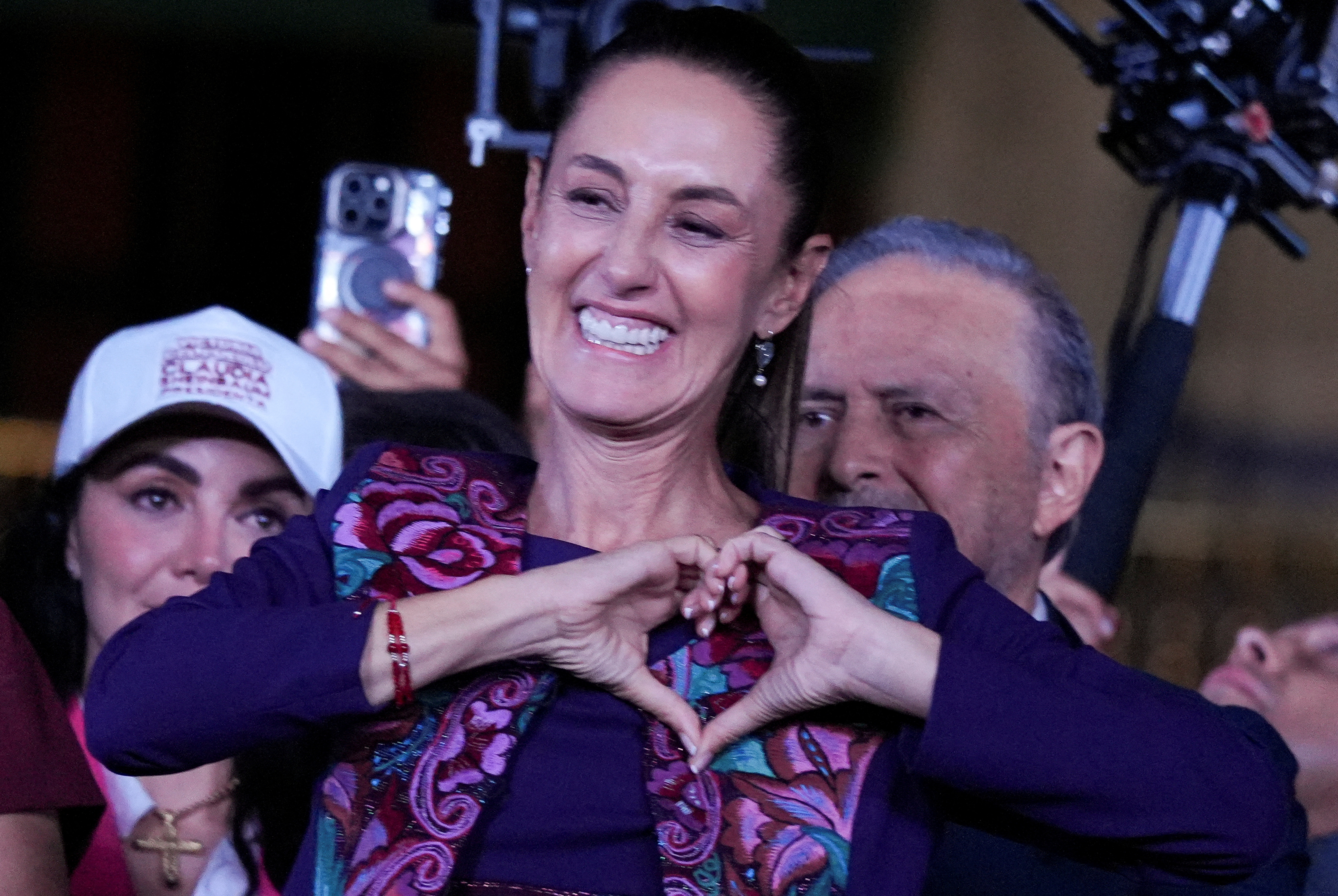
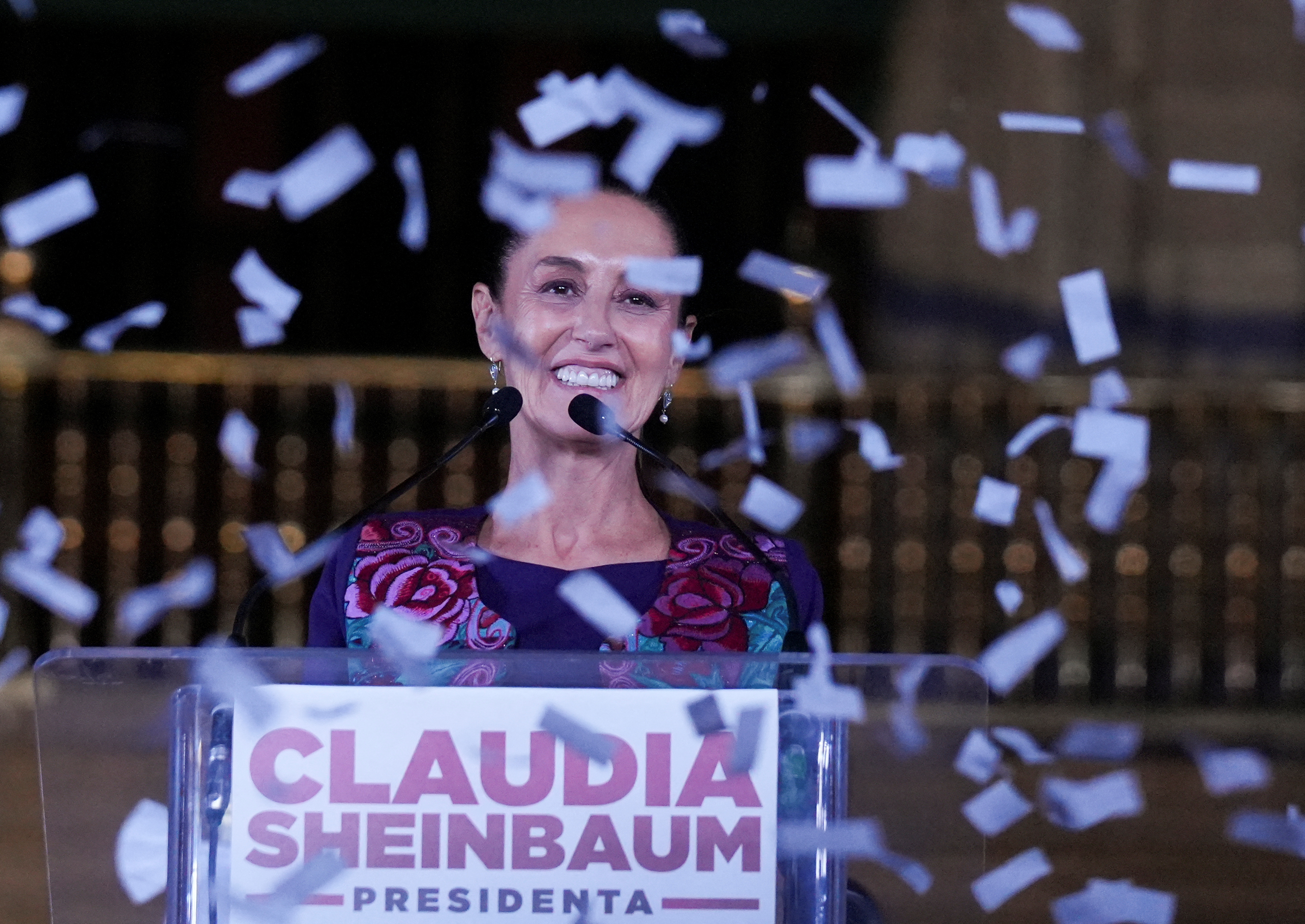
Claudia Sheinbaum basked in the glow of a thumping presidential win late Sunday, thanking supporters who gathered at the capital's iconic Zocalo plaza shortly after 1 a.m. to applaud Mexico's first female president.
Presidential candidate of the ruling Morena party Claudia Sheinbaum, reacts while addressing her supporters after winning the presidential election, at Zocalo Square in Mexico City, Mexico June 3. REUTERS/Alexandre Meneghini - Markets
Mexican stocks fell over 6% on Monday and the peso closed at its weakest to the dollar since November after the country's ruling party scored a surprisingly strong election result and looked poised for a super-majority in Congress that markets fear might bring constitutional change and diminish checks and balances.
- World
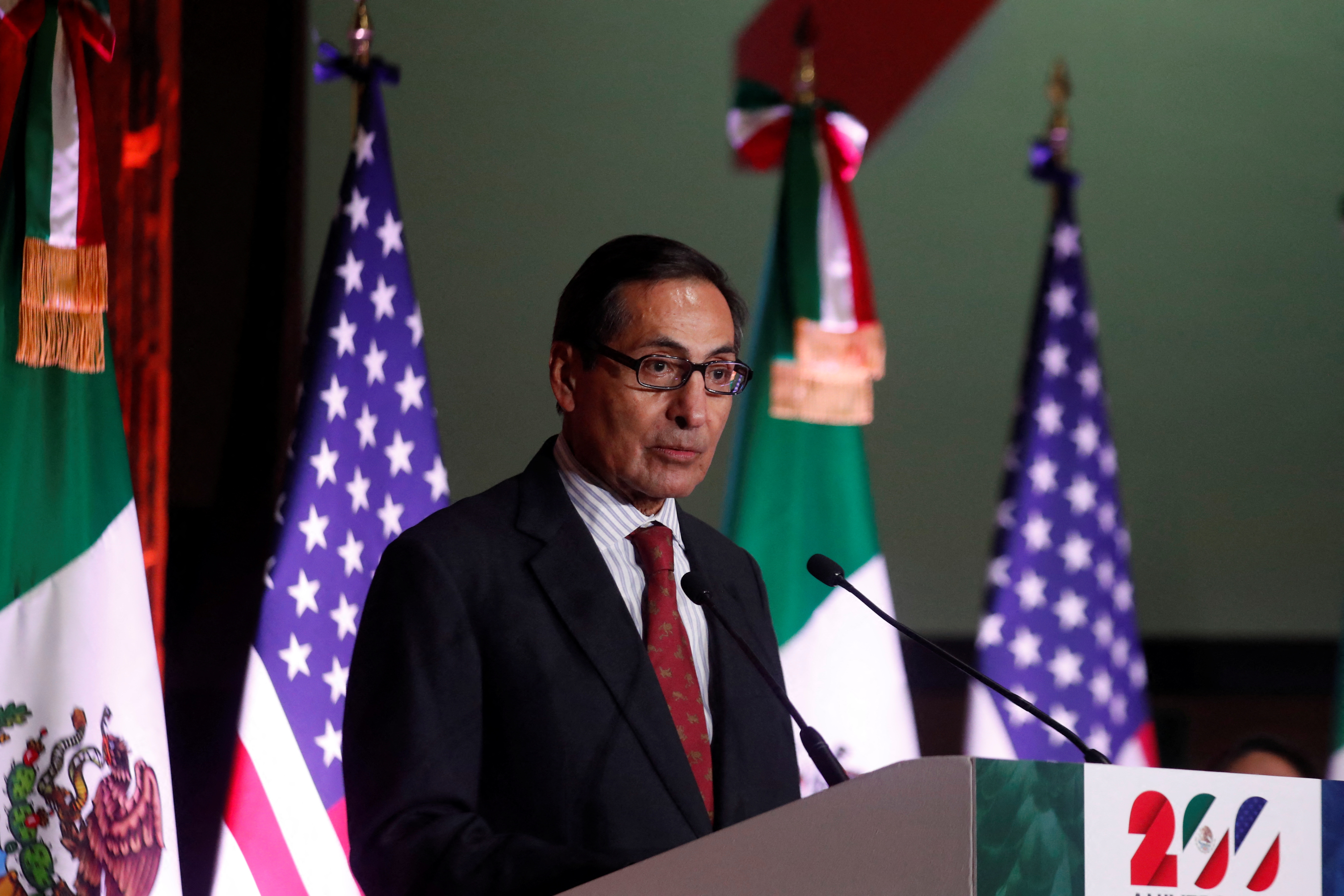
Mexican Finance Minister Rogelio Ramirez de la O accepted President-elect Claudia Sheinbaum's invitation to stay on in the role, she said in a video shared on social media on Monday.

Hunter Biden Trial
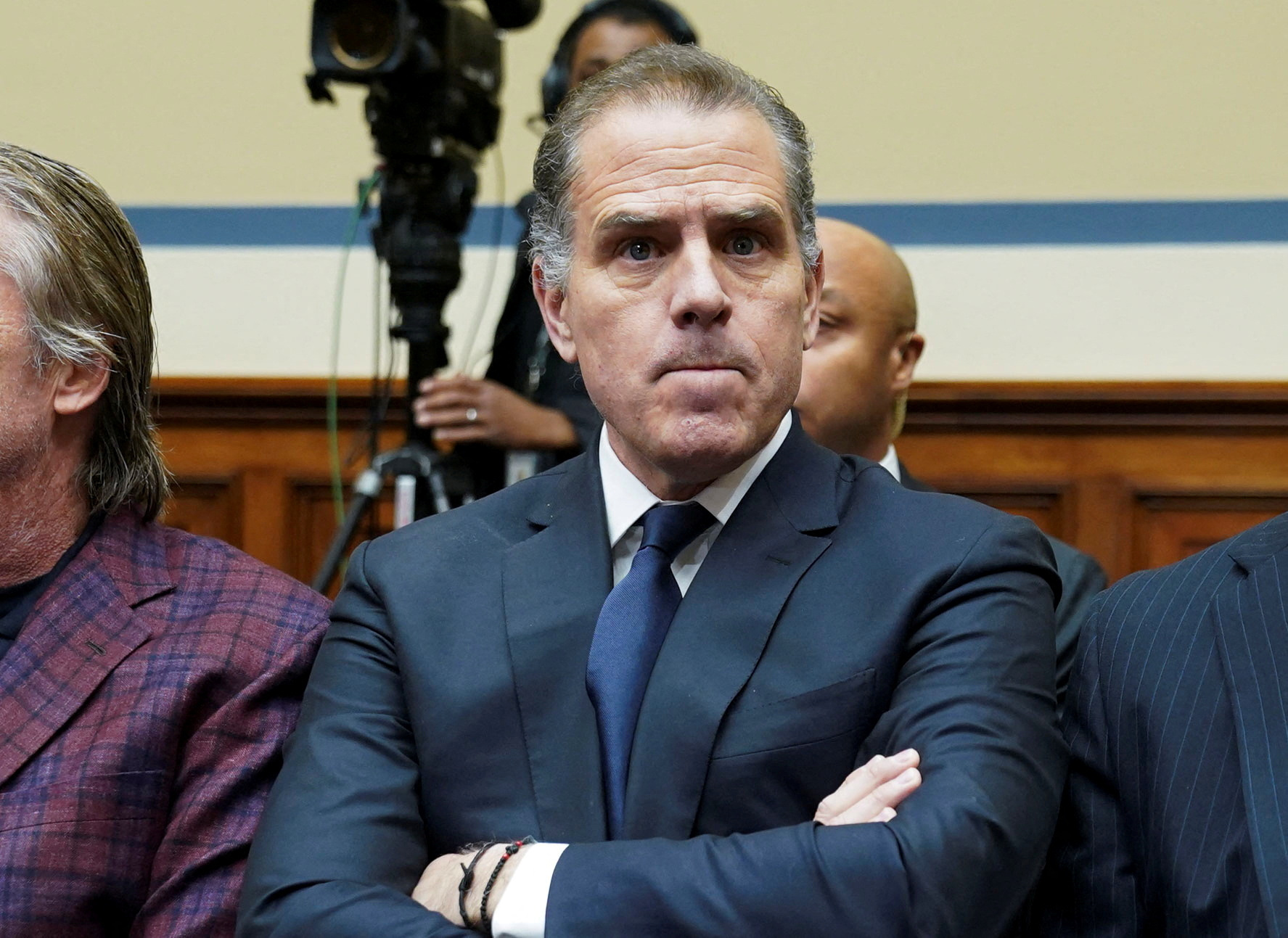
A jury was sworn in on Monday for the trial of Hunter Biden on gun charges, a historic criminal prosecution of a sitting president's son with the potential to influence the 2024 presidential election.
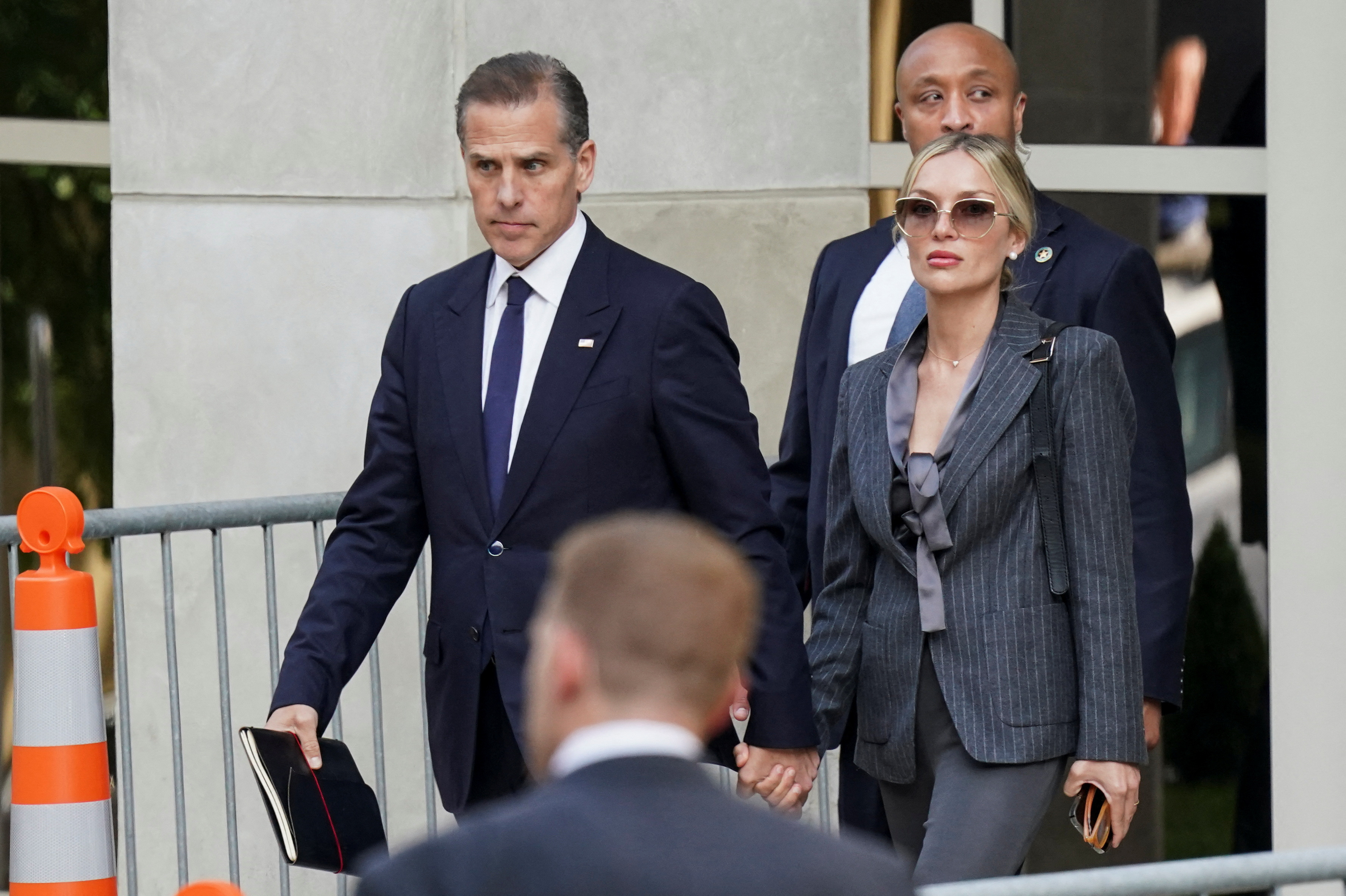
Hunter Biden, son of U.S. President Joe Biden, departs the federal court with his wife Melissa Cohen Biden, on the opening day of his trial on criminal gun charges in Wilmington, Delaware, U.S., June 3, 2024. REUTERS/Kevin Lamarque - Legal
Hunter Biden, the son of U.S. President Joe Biden, is scheduled to go on trial on June 3 in Delaware on charges he violated federal gun laws in 2018 when he purchased a firearm.
- Legal
Hunter Biden is going on trial Monday over criminal gun-related charges. Below is a look at the key moments leading up to the trial, the first for a child of a sitting president.