Oil slides 3 percent on worries over euro zone, China
NEW YORK |
NEW YORK (Reuters) - Oil fell more than 3 percent on Wednesday on the threat to petroleum demand from a spreading euro zone debt crisis as China signalled it is not planning a large economic stimulus.
Rising borrowing costs for Spain and Italy and the latest poll showing a lead for Greece's left-leaning, anti-austerity parties ahead of next month's elections added to concerns about the region's economy being enveloped in the debt turmoil.
As crude futures headed for double-digit percentage losses for May, equities and other commodities, like industrial feedstocks platinum and copper, also felt pressure from the worsening expectations for the euro zone economy. <MKTS/GLOB> <MET/L>
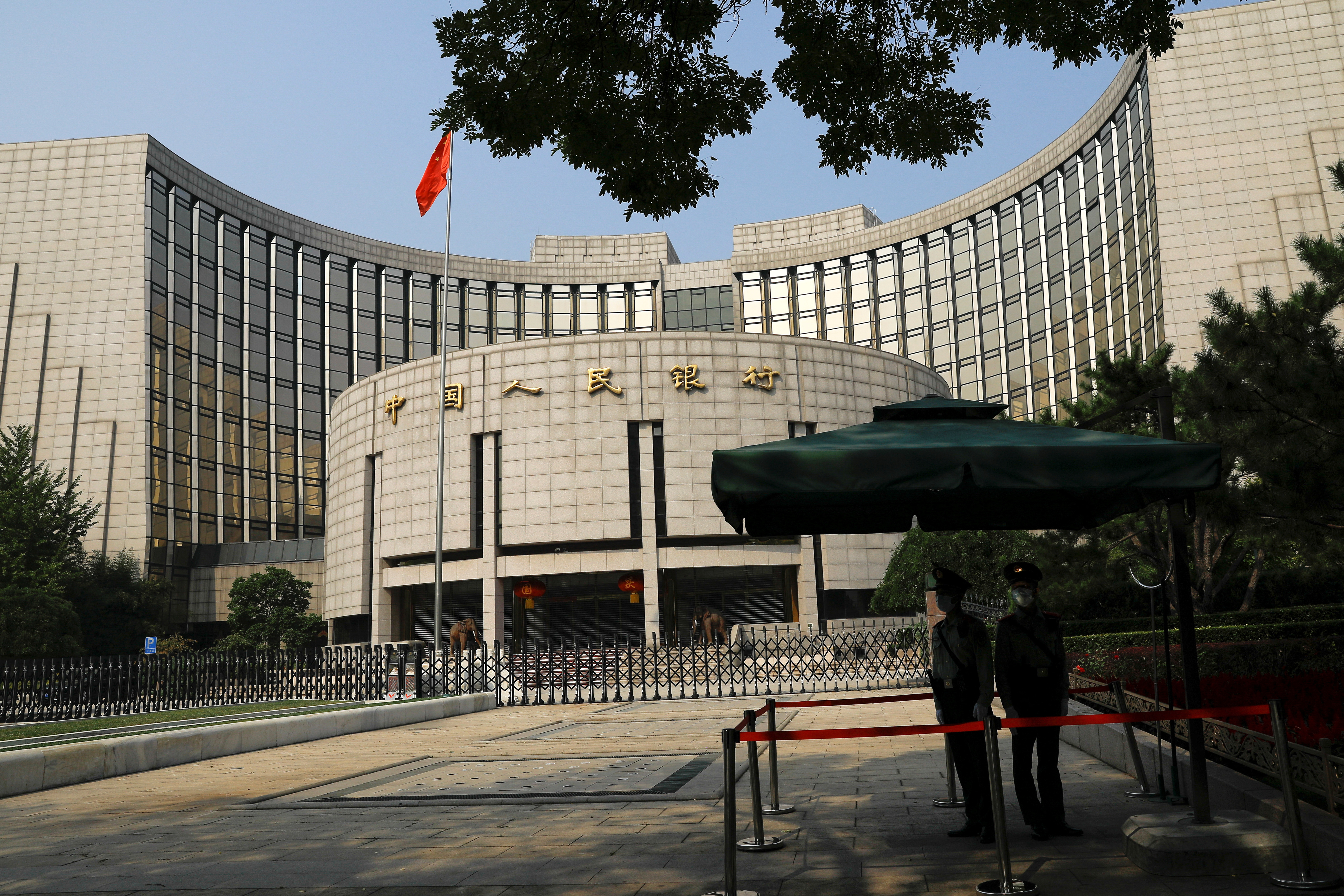
Hopes that China would act to counter slowing growth were dimmed after influential academics said Beijing should shun aggressive fiscal stimulus, in remarks published in leading state-backed newspapers on Wednesday.
Those views joined a chorus of commentary countering market expectations that China might unveil a stimulus package similar to the 4 trillion yuan ($630.1 billion) in spending unleashed during the global financial crisis.
"The European debt crisis and concerns about Chinese economic growth together mean that sentiment is on the very bearish side," said Andy Sommer at EGL in Dietikon, Switzerland.
Brent July crude fell $3.31 to $103.37 a barrel at 1:44 p.m. EDT (1744 GMT), having slipped to $102.97. Brent was on pace to post a monthly loss of more than 13 percent.
U.S. July crude slumped $2.96 to $87.80, having fallen to $87.49 as the front-month crude prices headed for a monthly loss of more than 16 percent. That would be the biggest percentage monthly loss since December 2008.
Wednesday's price slide took U.S. crude below the 61.8 percent Fibonacci retracement of the October to March rally at $88.55 a barrel, a key level of support for technical traders.
Total crude trading volumes remained lackluster, with turnover for both Brent and U.S. crude below their 30-day averages.
U.S. RBOB gasoline and heating oil fell ahead of front-month June contract expirations on Thursday, with gasoline dropping back under its 200-day moving average.
A tenth straight drop in crude oil stocks is expected by analysts surveyed ahead of weekly U.S. oil inventory reports from business and industry, while gasoline and distillate stockpiles are expected to have fallen. <EIA/S>
Pending home sales in the United States fell in April to a four-month low, an unexpected slip, undermining any recent optimism about the housing sector and adding to investor concerns about slowing economies.
U.S. stocks on Wall Street fell more than 1 percent, with European equities also posting sharp losses. .N .EU
The Thomson Reuters-Jefferies CRB index .CRB, a global benchmark for commodities fell 1.5 percent, having fallen to the lowest levels in more than 20 months.
<^^^^^^^^^^^^^^^^^^^^^^^^^^^^^^^^^^^^^^^^^^^^^^^^^^^^^^^^^^^
Euro zone crisis in graphics: r.reuters.com/hyb65p
Graphic-U.S. pending home sales:
^^^^^^^^^^^^^^^^^^^^^^^^^^^^^^^^^^^^^^^^^^^^^^^^^^^^^^^^^^^>
DEBTOR PRISM
Crude prices staged only a short-lived recovery intraday on news that the European Commission (EC) called for the euro zone to move to a banking union and consider directly recapitalizing banks from its bailout fund, in the EC's annual economic recommendations.
While the EC is responsible for proposing laws, it is European Union member states that decide whether to adopt them.
Germany has so far opposed any collective European banking resolution and guarantee system or any use of bailout funds without a imposing a EU/IMF austerity program.
Spain's banking sector problems helped send Italy's 10-year borrowing costs above 6 percent at auction.
The benchmark U.S. Treasury yield fell to its lowest level in at least 60 years as worries of contagion from Spain's ailing banks raised bids for low-risk investments.
IRAN'S NUCLEAR DISPUTE
The continuing saga over Iran's controversial nuclear program and the West's belief that it is not just for peaceful uses continued to lurk as a potentially supportive factor for oil prices, along with the 14-month-old uprising in Syria.
U.N. nuclear inspectors showed new satellite imagery on Wednesday indicating that Iran may be doing clean-up work at the Parchin military site where inspectors suspect tests relevant to developing nuclear weapons have been carried out, according to Western diplomats.
Iranian President Mahmoud Ahmadinejad said on Wednesday he did not expect talks with six world powers in Moscow next month to yield any major breakthroughs.
Iran faces an EU embargo on its crude oil in July and tightening U.S.-led sanctions have sent many of Tehran's other oil customers scrambling for alternatives.
(Additional reporting by Simon Falush in London and Luke Pachymuthu in Singapore; Editing by David Gregorio)
- Tweet this
- Link this
- Share this
- Digg this
- Reprints


Follow Reuters