EU prepares for clampdown on Libor-style indexes

Related Topics

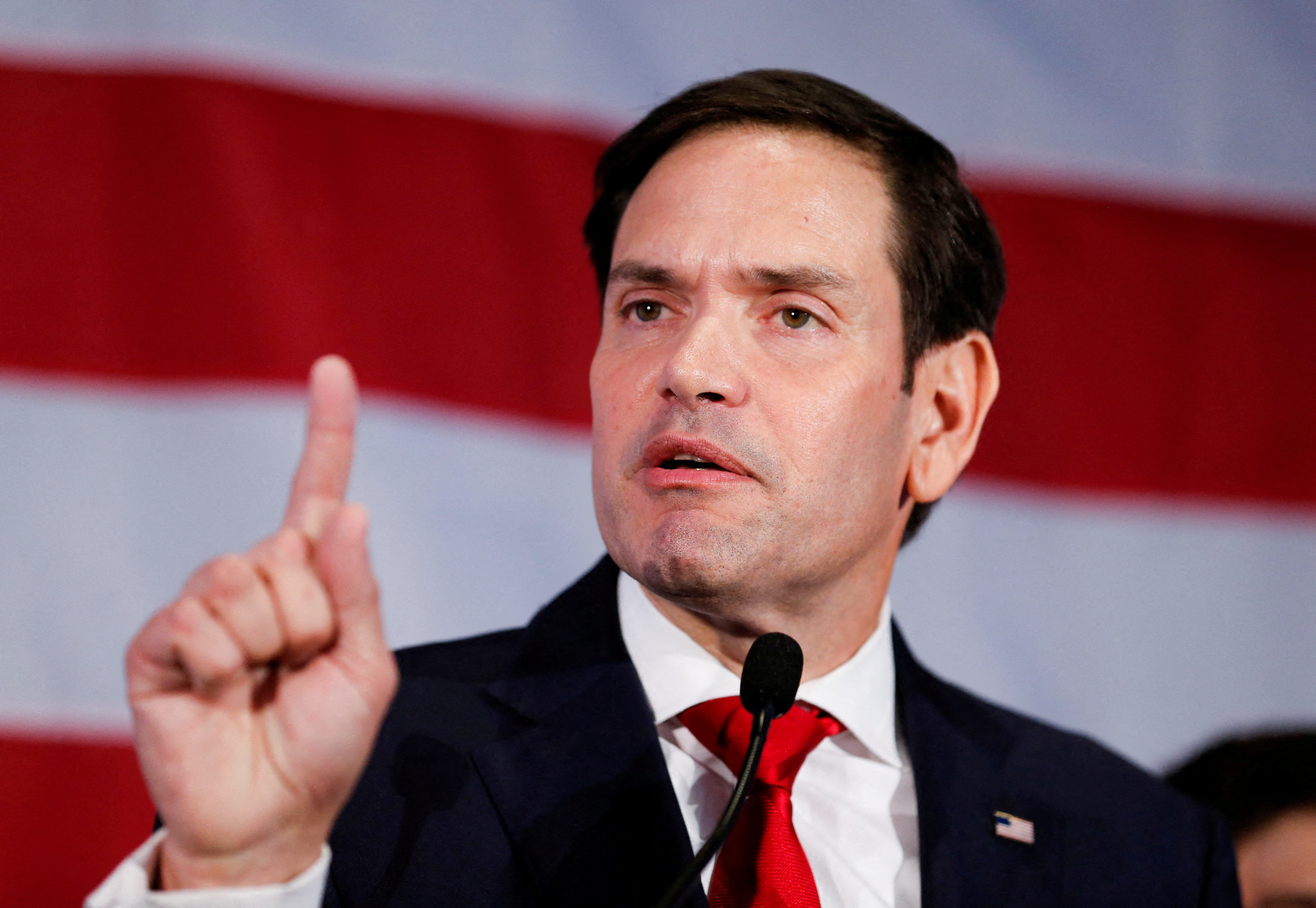
European commissioner in charge of financial regulation Michel Barnier addresses a news conference at the EU Commission headquarters in Brussels June 6, 2012. REUTERS/Laurent Dubrule

European commissioner in charge of financial regulation Michel Barnier addresses a news conference at the EU Commission headquarters in Brussels June 6, 2012.

Credit: Reuters/Laurent Dubrule

BRUSSELS | Wed Sep 5, 2012 12:53pm BST

BRUSSELS (Reuters) - The EU executive opened talks with the financial industry on Wednesday on how to impose curbs on financial market benchmarks and indexes, marking the start of a regulatory clampdown following rigging in London's inter-bank lending market.

The European Commission spelt out its concerns about the indexes that are used to set borrowing rates and other prices in financial and commodity markets. In parallel, the Commission's antitrust arm is investigating the Libor (London Interbank Offered Rate) and Euribor benchmarks.

"The international investigations underway into the manipulation of Libor have revealed yet another example of unacceptable behaviour by banks," Michel Barnier, the European commissioner in charge of regulation, said in a statement.

"Wider work is required to regulate how indices and benchmarks are compiled, produced and used."

The Commission, which drafts laws for the bloc's 27 member states, issued a public questionnaire that is likely to be the precursor to stricter curbs for financial benchmarks. Officials flagged the risk of granting too much freedom to the compilers of indexes.

INTEGRITY

In particular, the questionnaire cited the Libor rate, which is set by estimates from large banks of how much they believe they have to pay to borrow from each other, and then used to determine interest rates on over $500 trillion of contracts globally.

"The integrity of indices is vulnerable whenever discretion is exercised," officials wrote in the report. "If an index is based on actual transaction or other verifiable data, the contributor of the data does not generally need to exercise discretion."

The comments mirror concerns at the European Central Bank about Euribor (Euro Interbank Offered Rate).

Earlier this year, sources told Reuters that the ECB was pushing to shift the basis of the calculation to actual lending rates. The current system, like Libor's, uses banks' assessments of what they expect to be charged.

Commission officials suggested alternatives in statements in the questionnaire: "One solution would be to change the index, by reducing its frequency, scope or basis."

Libor was first established in 1984 and has been an industry standard since the late 1980s. Similar rate benchmarks - such as Euribor - have been set up in other financial centres.

Libor is being investigated by multiple authorities, including those in the United States, Britain and the European Union, with investigators looking at a number of big banks that participate in the process of setting the benchmark rate.

Barclays was the first big bank to settle with U.S. and British authorities, following allegations that its traders colluded with others to fix the rate.

Martin Wheatley, managing director of Britain's Financial Services Authority (FSA), told a Reuters Newsmaker event in London that his consultation with industry about a Libor overhaul was expected to conclude by Friday.

Wheatley, who will present his findings to Chancellor George Osborne by the end of September, declined to be drawn on details or to give any update on the complex international probe.

To date, just Barclays has been fined, 290 million pounds. The FSA has said it is investigating another seven financial institutions for inter-bank rate manipulation and expects to reach another settlement before year-end.

Bank of England Governor Mervyn King has also called for "radical reforms" of Libor and put this on the agenda for the next bi-monthly meeting of global central bankers this month in Basel.

(Additional reporting by Kirstin Ridley in London; Editing by Sebastian Moffett and Mark Potter)

We welcome comments that advance the story through relevant opinion, anecdotes, links and data. If you see a comment that you believe is irrelevant or inappropriate, you can flag it to our editors by using the report abuse links. Views expressed in the comments do not represent those of Reuters. For more information on our comment policy, see http://blogs.reuters.com/fulldisclosure/2010/09/27/toward-a-more-thoughtful-conversation-on-stories/
Comments (1)
SCSCSC wrote:
You need regulation says the EU – who still have not managed to have their own accounts audited for the last 17 years!!

Remember those EU bank stress tests too?!

This is surely a joke?

Sep 05, 2012 12:42pm BST  --  Report as abuse
This discussion is now closed. We welcome comments on our articles for a limited period after their publication.